How Can JEWSHIN Packaging Machinery Optimize Your Industrial Packaging Process?
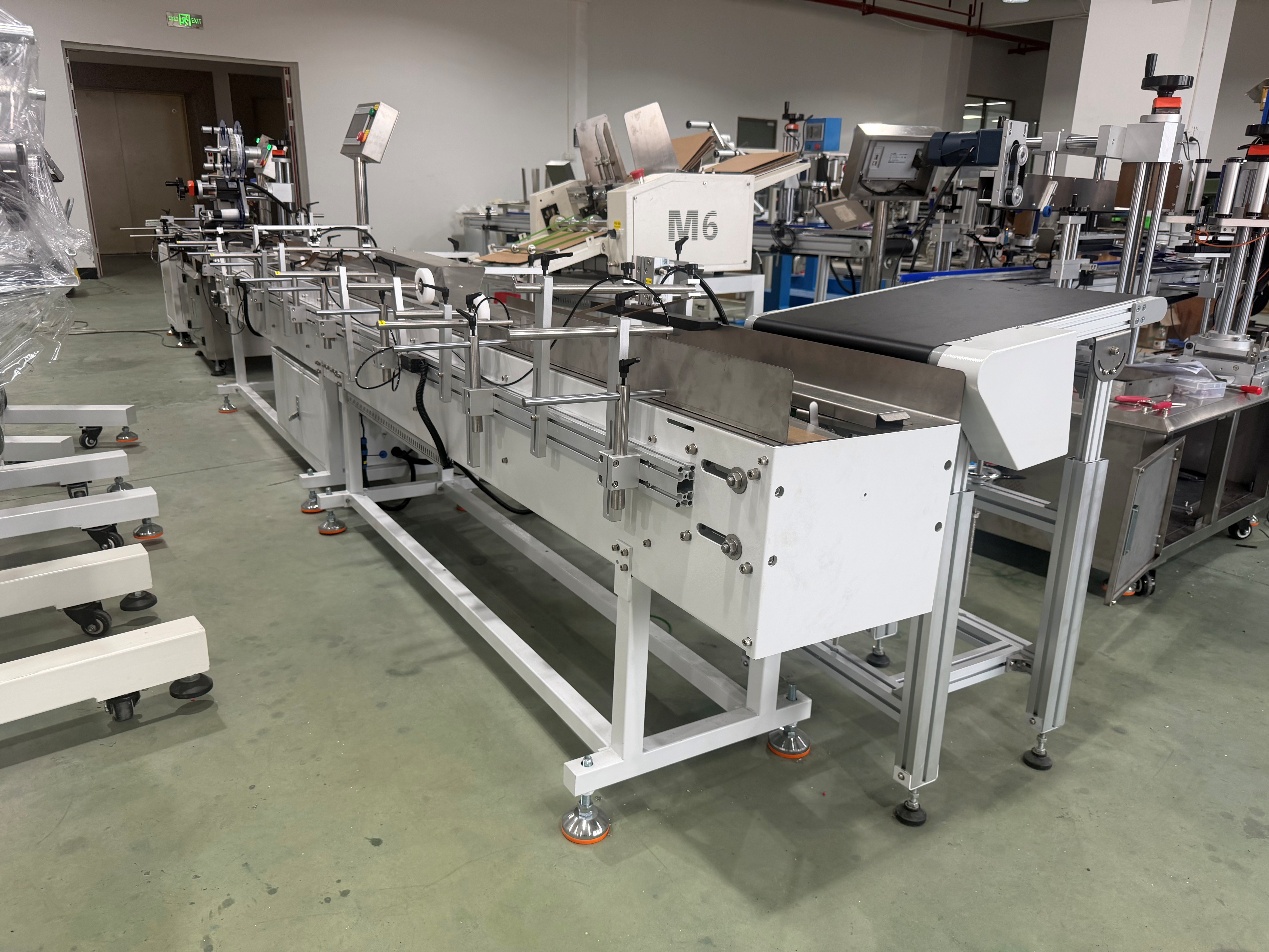
JEWSHIN Packaging Machinery helps industrial manufacturers improve packaging efficiency through automated filling, sealing, and production systems. By using precise control technology, flexible machine designs, and stable operating performance, companies can reduce material waste by around 10%–30%, improve production speed by 20%–50%, and maintain consistent packaging quality across different product lines.
Modern industrial packaging requires equipment that can handle higher production volumes, changing product specifications, and stricter quality requirements. Since 2020, many manufacturers have increased investment in automated packaging systems to reduce manual operations and improve production stability. JEWSHIN Packaging Machinery provides solutions designed for factories that need reliable packaging processes with better efficiency and accuracy.
“A well-designed packaging system helps manufacturers produce more units with fewer interruptions, while keeping package quality consistent throughout long production cycles.”
Industrial packaging optimization starts with improving production speed. In many factories, packaging is one of the final stages before products enter distribution channels, so delays at this stage can affect the entire supply chain.
Automated packaging equipment allows manufacturers to maintain continuous production with fewer manual adjustments. Depending on the machine type and product requirements, automated systems can increase output rates from dozens to hundreds of packages per minute.
For example, a packaging line operating 16 hours per day can produce significantly more finished products when machine downtime is reduced by even 15%. Over a full production year, small improvements in speed and stability can create thousands of additional operating hours.
| Packaging Improvement Area | Traditional Process | Automated Packaging System |
|---|---|---|
| Production speed | Limited by manual handling | Higher continuous output |
| Filling accuracy | Possible human variation | Controlled measurement |
| Packaging consistency | Depends on operator skills | Stable machine settings |
| Production monitoring | Manual inspection | Automated control systems |
Higher production speed also requires better accuracy. A faster packaging line must still maintain correct filling amounts, sealing quality, and package appearance.
JEWSHIN Packaging Machinery uses automated control systems to help manufacturers manage important packaging parameters, including filling quantity, sealing temperature, packaging timing, and machine operation status.
In industries such as food, chemicals, and consumer products, small measurement differences can create large material losses. A factory producing 1 million packages per month with only a 1% filling error could waste thousands of units of raw materials annually.
Precision control helps companies reduce unnecessary material consumption while maintaining product standards.
Reducing waste is closely connected with packaging cost management. When material usage becomes more efficient, manufacturers can improve production economics without changing product quality.
Packaging materials often represent a considerable part of manufacturing expenses. According to industry reports from 2023, companies using automated packaging technologies commonly achieved material savings between 5% and 20% depending on product type and process design.
Improved sealing technology also reduces problems such as damaged packages, leakage, and incomplete closures. These improvements are especially important for products requiring longer storage periods or transportation over long distances.
“Consistent sealing performance protects products during storage and shipping while reducing unnecessary replacement costs.”
After improving accuracy and reducing waste, manufacturers also need packaging systems that can adapt to different product requirements. Market demand changes quickly, and many factories now produce multiple package sizes, materials, and product versions on the same production floor.
Flexible packaging machinery allows operators to adjust settings according to different production needs. Instead of installing separate equipment for every package format, manufacturers can use adaptable systems that support multiple applications.
Common adjustment options include:
-
Different filling volumes for various package sizes.
-
Adjustable sealing parameters for different materials.
-
Changeable production speeds according to product characteristics.
-
Integration with existing factory production lines.
For manufacturers producing seasonal products or multiple product categories, equipment flexibility can reduce preparation time. A packaging line that changes products within 30 minutes instead of several hours allows factories to use production resources more effectively.
Factory workflow improvement is another important part of packaging optimization. Packaging equipment does not operate separately; it must connect with product feeding, inspection, storage, and transportation processes.
A well-organized packaging line reduces unnecessary movement between different production stages. Shorter transfer distances and smoother material flow can improve workplace efficiency.
For example, if a factory reduces packaging interruptions by 20% through better equipment coordination, the production schedule can become more stable throughout the year.
JEWSHIN Packaging Machinery supports customized packaging solutions that can be arranged according to factory space, product characteristics, and production targets. This allows manufacturers to create packaging systems that match their actual operating conditions.
The improvement of workflow also depends on machine reliability. Production interruptions caused by equipment problems can affect delivery schedules and increase maintenance requirements.
Reliable machine structures, quality components, and accessible maintenance designs help factories maintain steady operation. Many manufacturing facilities have adopted preventive maintenance programs since 2018, with some reporting downtime reductions of approximately 20%–40%.
Regular inspection of mechanical parts, sensors, and control systems helps identify maintenance needs before they affect production.
| Maintenance Factor | Production Benefit |
|---|---|
| Regular equipment checks | Fewer unexpected stops |
| Durable machine components | Longer service life |
| Easy access design | Faster maintenance |
| Automated monitoring | Better operating control |
Lower downtime improves overall equipment availability. When packaging machines operate consistently, manufacturers can plan production schedules more accurately and respond faster to customer requirements.
Energy efficiency is also becoming more important in industrial packaging. Many companies are reviewing equipment performance not only by production output but also by energy consumption.
Modern packaging systems can reduce unnecessary power usage through optimized motors, efficient control systems, and improved operating processes. Depending on equipment design, energy savings of 10%–25% can be achieved compared with older production equipment.
For factories operating multiple packaging lines, these savings can become significant over several years. Lower energy consumption also supports companies working toward environmental targets and more efficient manufacturing practices.
“Efficient packaging equipment helps factories balance production capacity, operating costs, and long-term equipment performance.”
Product quality consistency is another area where automated packaging systems provide advantages. Customers expect packages to have uniform appearance, accurate quantity, and reliable sealing.
Manual packaging processes may create differences between batches because of operator fatigue or changing working conditions. Automated systems maintain fixed parameters, helping manufacturers produce more consistent results.
In industries with strict quality requirements, consistent packaging performance supports stronger customer confidence. A packaging error rate reduction of even 2%–5% can improve overall production performance when factories handle large volumes.
JEWSHIN Packaging Machinery combines automation, precision control, flexible design, and reliable operation to support modern industrial packaging requirements.
Manufacturers using advanced packaging solutions can improve production speed, reduce material waste, simplify workflow management, and maintain stable product quality. With industrial automation adoption continuing to increase after 2020, efficient packaging equipment has become an important part of modern manufacturing operations.