How can custom coffee packaging boost your retail sales?
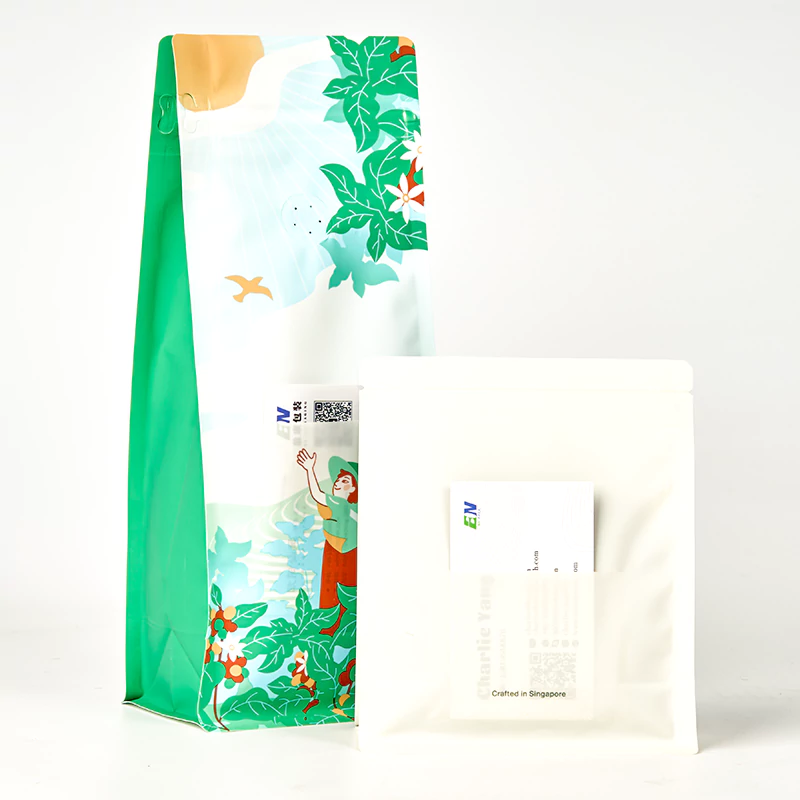
Custom coffee packaging can increase retail sales by improving product recognition, protecting freshness, supporting premium pricing, and helping customers choose a brand in crowded stores. Research from packaging studies shows that around 60% of consumers consider packaging appearance when buying unfamiliar products, while well-designed coffee bags can strengthen brand recall and repeat purchases. Custom packaging combines visual design, material performance, and product information to create a better buying experience.
Coffee retail has become highly competitive, with thousands of brands selling similar roast types, origins, and flavors. In supermarkets, specialty shops, and online stores, customers often compare several products within a few seconds. A coffee bag must communicate quality, freshness, and brand personality before the customer reads detailed product information.
Packaging design affects how consumers judge a product. A study published in 2020 on food packaging perception found that visual elements such as color, typography, and package structure influenced product expectations among more than 500 participants. For coffee brands, this means a unique package can help customers remember the product after leaving the store.
“A coffee bag is not only a container for beans. It is also the first communication point between a brand and a customer.”
Custom designs allow coffee companies to create consistent visual identities across different products. A brand can use the same logo style, color system, and layout while creating separate designs for espresso blends, single-origin beans, and seasonal releases.
This approach helps customers quickly identify products from the same company. In 2022, retail branding research showed that consistent packaging design could improve brand recognition by more than 30% compared with inconsistent product presentation.
The physical quality of coffee packaging also affects customer satisfaction because roasted coffee changes after production. Coffee releases carbon dioxide after roasting, and oxygen exposure can reduce aroma compounds over time. Packaging materials must control oxygen, moisture, and light exposure to maintain product quality.
Many specialty coffee brands now use high-barrier films, resealable closures, and one-way valves. These features allow customers to open the package multiple times while keeping the remaining coffee protected.
| Packaging Feature | Purpose | Customer Benefit |
|---|---|---|
| Degassing valve | Releases carbon dioxide after roasting | Keeps coffee fresher |
| Resealable zipper | Allows repeated opening | Improves daily use |
| High-barrier layer | Reduces oxygen and moisture entry | Protects aroma |
| Matte or textured finish | Creates premium appearance | Improves shelf presence |
The combination of appearance and functionality makes packaging an important part of retail performance. Many brands use custom printed coffee bags to combine customized graphics with materials designed for coffee storage.
Retail shelves are often crowded with products competing for attention. A simple brown or standard package may not provide enough information for customers who have never purchased the brand before. Custom packaging gives companies more space to display origin details, roast level, tasting notes, certifications, and brewing suggestions.
For example, a specialty coffee package may include information about the farm location, processing method, and flavor profile. These details help customers understand what makes the product different from other options.
Packaging information also influences online sales because customers cannot physically inspect products before purchase. In e-commerce environments, package images often become the main product presentation. A 2021 online shopping study involving more than 1,000 consumers found that product images and packaging appearance influenced purchase interest for food and beverage products.
“Online coffee buyers often evaluate the package before they evaluate the beans.”
Custom coffee packaging can also support higher price positioning. Consumers often connect premium materials and professional design with better product quality. This does not mean expensive packaging alone increases sales, but packaging that matches the product level can support stronger customer expectations.
Many premium coffee brands use features such as soft-touch coatings, clean typography, recyclable materials, and detailed storytelling. These choices create a more professional appearance compared with basic packaging.
Sustainability has become an important packaging factor in coffee retail. Consumers in many markets now pay closer attention to packaging materials and environmental information. A global consumer survey in 2023 showed that more than 50% of shoppers considered sustainable packaging when choosing food and beverage products.
Coffee companies are responding by using recyclable mono-material films, compostable packaging options, lighter materials, and reduced plastic structures. However, packaging still needs strong protection because coffee quality depends on controlling oxygen and moisture.
| Sustainable Packaging Approach | Common Application |
|---|---|
| Recyclable materials | Retail coffee bags |
| Reduced material use | Lightweight packaging |
| Compostable structures | Specialty product lines |
| Responsible printing methods | Brand communication |
The design process also allows brands to create different product categories without losing recognition. A company selling dark roast, medium roast, decaffeinated coffee, and limited editions can use a unified packaging system while giving each product a clear identity.
This structure makes it easier for customers to explore new products. When shoppers recognize a familiar brand style, they are more likely to consider trying another item from the same company.
Seasonal packaging provides another opportunity for retail growth. Coffee brands frequently release holiday collections, limited batches, and collaboration products. Unique packaging designs can make these products feel more special and encourage customers to purchase during specific periods.
For example, a winter coffee collection may use special illustrations, gift-ready formats, or limited colors. According to retail packaging research from 2022, limited-edition designs increased consumer interest in seasonal products among many surveyed shoppers.
Digital features are also becoming more common in coffee packaging. QR codes placed on bags can connect customers with farm information, brewing guides, loyalty programs, and brand stories.
These features provide additional information without making the package crowded. A customer can scan a code and learn about the coffee origin, roasting date, or preparation method within seconds.
“Modern coffee packaging connects the physical product with digital brand experiences.”
For small and growing coffee companies, custom packaging provides a practical way to compete with larger brands. Advertising budgets may be limited, but every package placed on a shelf or shipped to a customer can represent the brand.
A well-planned package helps communicate product quality, maintain freshness, and create a recognizable appearance. Research from 2024 on consumer goods packaging showed that customers were more likely to remember brands with clear and consistent package designs compared with brands using basic generic packaging.
Coffee retail success depends on many factors, including flavor quality, pricing, distribution, and customer service. Packaging does not replace these elements, but it supports them by improving how customers discover and experience the product.
Custom coffee packaging combines protection, design, and brand communication in one physical product, helping coffee companies build stronger retail visibility and encourage more purchases.